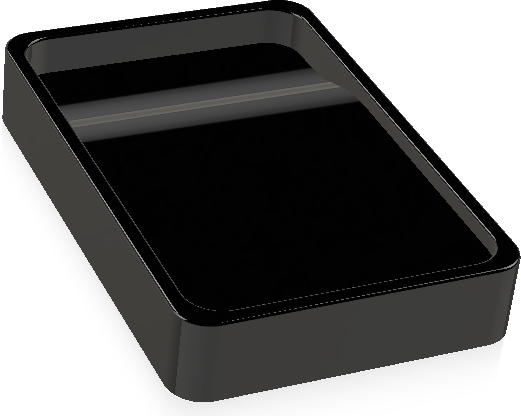

Have you ever come home exhausted after a calligraphy lesson and felt like going straight to bed without washing your inkstone?
I’ve been there too. One morning, I woke up to find my inkstone completely rock-hard. No matter how long I soaked it in water, the dried ink just wouldn’t peel off. That was because I was using liquid ink in a plastic inkstone. In the end, I had to throw it away. Ever since, I’ve been using a natural stone inkstone, and I’ve made it a strict rule to wash it before going to sleep—no matter how late it is.
As long as you handle it correctly, a quality inkstone can last for decades. Today, I’d like to share why washing your inkstone is so essential, along with the step-by-step procedure.
Why Washing Your Inkstone Matters
Washing your inkstone is crucial for maintaining the quality of your artwork and extending the life of the tool itself. Once liquid calligraphy ink dries, it acts like a strong adhesive, making it vital to wash your inkstone immediately after use.
1. For Plastic Inkstones (Mainly used as ink wells)
- Purpose: To prevent the ingredients of the liquid ink from hardening and caking on the surface.
- Effects of not washing:
- Accumulation of dirt: Caked-on ink becomes extremely difficult to remove, making the inkstone unsanitary.
- Deterioration of ink color: Old dried ink flakes will mix into the fresh liquid ink next time, clouding its natural rich black color and luster.
2. For Stone Inkstones (Featuring microscopic teeth / Hobom)
- Purpose: To protect the Hobom (the fine microscopic teeth on the stone’s surface)—the very soul of a stone inkstone—and maintain its functionality.
- Effects of not washing:
- Loss of functionality: The hardening components of the ink completely clog the tiny microscopic teeth needed to grind ink sticks.
- Deterioration: When the Hobom gets clogged, the stone loses its ability to grind ink, significantly shortening its lifespan.
- Reduced quality of artwork: Old ink trapped in the teeth prevents clear, beautiful ink tones and adversely affects your brushwork.
1. What You Will Need
- Clean Water: Use room-temperature water, not warm water.
- Soft Cloth or Tissues: For wiping dry.
- Water Basin or Bowl: To catch and rinse away the ink.
Important Cautions:
- NEVER use detergent or soap. It damages the delicate Hobom surface, causes unwanted foaming when grinding ink in the future, and reduces ink adherence.
- NEVER use scrubbing pads or hard brushes. They will scratch the Hobom, leaving the inkstone unable to grind ink properly.
2. Step-by-Step Washing Guide
Step 1: Pour Out Remaining Ink
- Pour any leftover liquid ink or ground ink from the Umi (the deep pool part of the inkstone) into a water basin or bowl.
- Ideally, wash the inkstone as soon as possible before the ink begins to dry and harden.
Step 2: Rinse with Water
- Pour a small amount of water onto the inkstone and gently wash away the ink using the pad of your finger. Pay close attention so that no ink residue remains in the grooves between the Oka (the raised grinding surface) and the Umi (the ink pool).
- To avoid damaging the Hobom, gently stroke the stone clean without scrubbing with excessive force.
Step 3: Dealing with Stubborn Caked-on Ink
- If there is hardened ink residue, gently scrape it away using the pad of your finger or an old brush with soft bristles.
- If ink is stubborn, you can soak the inkstone in water briefly to soften it before removal. However, avoid leaving a stone inkstone submerged for long periods. Developing a habit of washing it immediately is always best.
- For ink that absolutely won’t come off, a specialized whetstone (Toishi) is used. Because it requires delicate handling, it’s best to consult your calligraphy teacher.
Step 4: Wipe Dry Thoroughly
- After rinsing with clean water, gently and carefully wipe away all remaining moisture from the surface using a soft cloth or tissue.
- If left damp, drying will be delayed, which may cause mold or unpleasant odors. Make sure to wipe the entire inkstone thoroughly, including the bottom and sides.
Step 5: Storage
- Store your inkstone in a well-ventilated area out of direct sunlight.
- Allow it to dry completely before returning it to its wooden box or lid.
If you care for it gently after every use, your inkstone will become a cherished tool that supports your calligraphy journey for decades to come!